
January 29, 2026
Becky HellenbrandHow to Prevent and Thaw a Frozen Lock
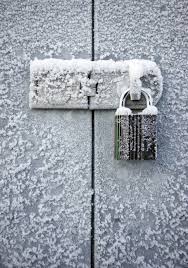
You drive to your storage unit only to find your key won’t turn, or the lock is completely frozen solid. When temperatures drop below freezing, moisture inside the lock mechanism turns to ice, seizing up the pins and tumbler.
Here is your guide to preventing and fixing frozen storage unit locks.
How to Thaw a Frozen Lock (Immediate Solutions)
If you are currently stuck at your unit, do not use brute force, as you risk breaking your key off in the lock.
- Use Hand Sanitizer: Squirt hand sanitizer (which contains alcohol) onto your key and into the keyhole. The alcohol lowers the freezing point of water and can melt the ice in seconds.
- Lock De-icer Spray: A specialized lock de-icer is the most effective solution.
- Heat the Key: Use a cigarette lighter to heat your key (use gloves) and carefully insert it into the lock. Repeat this process until the heat melts the internal ice.
How to Prevent Locks from Freezing
Preventative maintenance is the best way to avoid this problem in the future.
- Lubricate Before Winter: Before the first frost, spray a dry lubricant like graphite or silicone into the keyhole and work it back and forth. Avoid using WD-40 inside the lock, as it can attract dirt and cause long-term sticking.
- Use a Protective Cover: A small rubber flap, a magnet, or a piece of plastic over the lock will prevent snow and rain from entering.
- Invest in a Weatherproof Lock: Replace cheap, standard padlocks with all-weather, weatherproof locks designed for cold climates.
- Use Disc Locks: Disc locks are often more resistant to ice accumulation.
What NOT to Do
- Do not force the key: This can snap the key, causing a much bigger, more expensive problem.
- Do not use boiling water: It can cause damage to the lock mechanism or result in it freezing again immediately.
Tip: If you live in an area with severe winters, consider renting a climate-controlled unit. This prevents items from freezing and keeps humidity low, reducing the risk of your lock freezing solid